Innovative Trends in Prefabricated Steel Construction
| By Ericson Tua'one
- Commercial
- Construction
- Federal
Pioneering the Future of Construction
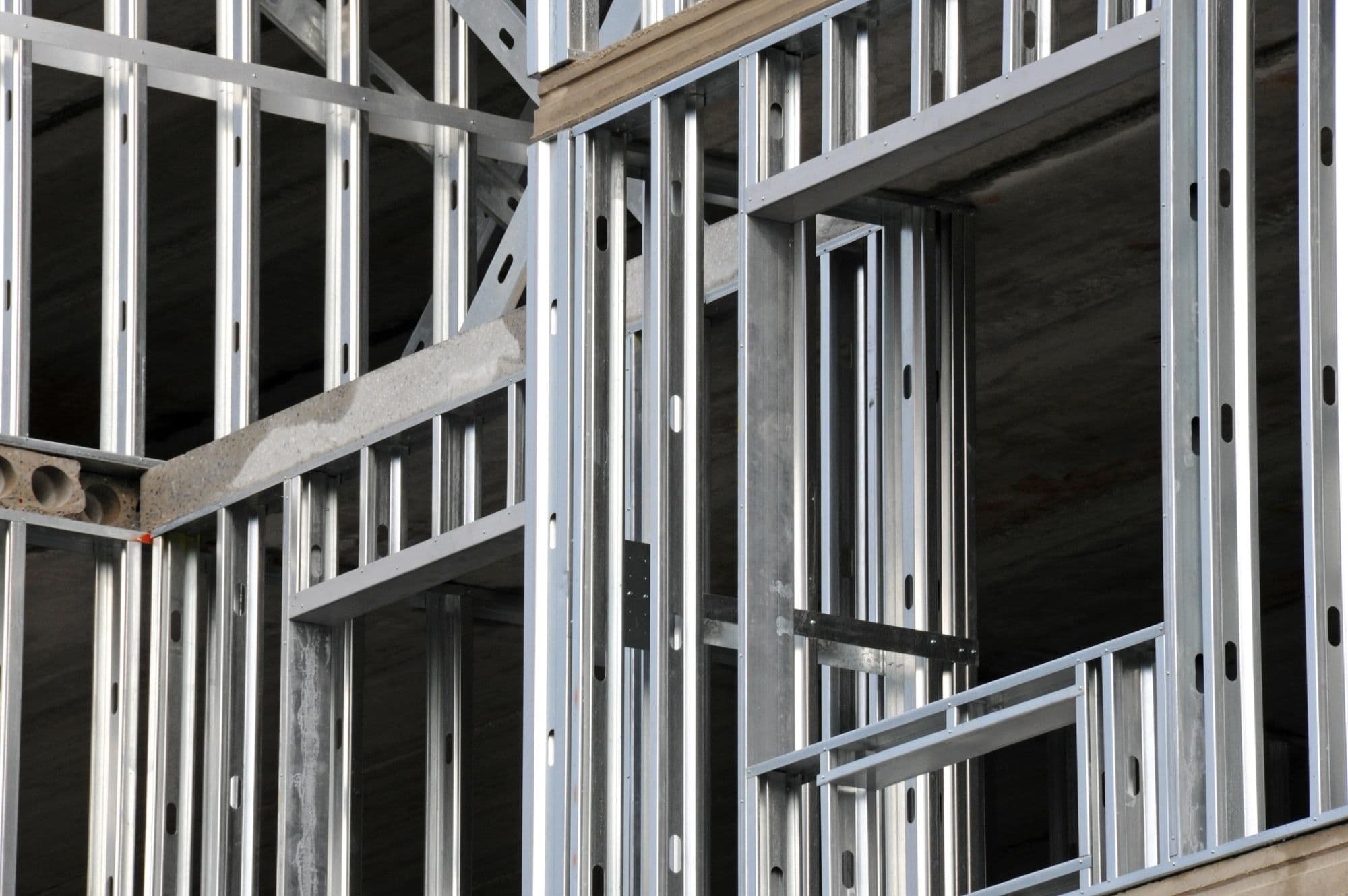
Prefabricated steel construction is rapidly redefining modern infrastructure, merging innovation with efficiency to overcome traditional building challenges. Using high-quality, pre-engineered components, this method minimizes on-site labor, reduces waste, and accelerates project timelines.
As urban centers expand and local markets demand faster, more cost-effective solutions, prefab steel offers a resilient alternative that adapts to diverse climate and geographic conditions.
This introduction explores how:
• Modular design principles streamline construction by allowing components to be fabricated in controlled environments and swiftly assembled on-site.
• Precision engineering ensures consistent quality and durability across projects, contributing to long-term sustainability.
• Local supply chains enhance regional job creation and support community-centric economic growth.
In this evolving landscape, understanding the nuances of prefabricated steel is key to managing risk, optimizing resources, and achieving project success. Readers will learn actionable strategies, receive practical guidance on integrating these systems, and gain insights into the benefits of prefabrication—insights that are essential for anyone looking to modernize their approach to commercial and infrastructure projects.
Revolutionizing Construction with Smart, Sustainable Steel
Prefabricated steel construction is ushering in a new era of smart, sustainable building solutions. The integration of digital technology and eco-friendly methods is transforming how projects are planned, designed, and executed. This trend is reshaping the construction landscape by reducing on-site waste, accelerating build times, and improving durability.
Innovative materials and automation have paved the way for precise manufacturing, ensuring that components meet exacting standards. Coupled with smart sensors and software, real-time monitoring of structural health has become a vital part of project management. Such advancements allow for enhanced energy performance and resilient building designs that are especially relevant for urban development and local infrastructure upgrades.
Key strategies to consider:
Embrace automation and digital monitoring to streamline construction processes. Integrate energy-efficient practices that reduce the environmental footprint. Leverage modular designs to minimize construction time and increase flexibility.
By adopting these forward-thinking approaches, construction teams can deliver projects that stand up to modern performance demands while contributing to a greener future for communities and cities alike.
Overcoming Key Challenges in Prefabricated Steel Construction
The modern landscape of prefabricated steel construction faces numerous challenges that demand innovative solutions. Industry professionals continually navigate hurdles to ensure the highest standards of quality and efficiency. One major concern is managing supply chain complexities, which can delay project timelines. Manufacturers are streamlining processes by enhancing digital integration and leveraging advanced fabrication techniques. Ensuring precision in steel production while adhering to strict local codes remains critical, prompting companies to invest in robust quality control systems.
Practical steps to address these issues include:
Implementing real-time tracking systems for material delivery and project progression Utilizing modular design principles for faster assembly and reduced on-site labor Enhancing cross-functional collaboration between engineers, fabricators, and installers to ensure cohesive project execution
Further, local markets benefit from tailored approaches that consider regional regulatory standards and climate-specific building requirements. This proactive strategy not only mitigates risks but also reinforces the reliability of prefabricated steel structures. As the industry evolves, learning from practical experiences and sharing best practices continue to be essential in driving innovation and maintaining competitive advantage in a dynamic construction market.
Real-World Applications of Prefabricated Steel
In today’s fast-paced construction landscape, real-life implementations of prefabricated steel are reshaping both residential and commercial projects. Across urban centers and suburban developments, builders are leveraging steel’s versatility to deliver durable, energy-efficient structures faster than traditional methods.
Notable examples include:
Modern Housing Developments: Homeowners benefit from prefabricated steel systems that reduce on-site construction time and improve overall energy efficiency, while customizable designs cater to distinct aesthetic and functional needs. Commercial Complexes: Office buildings and retail centers are incorporating steel to ensure rapid assembly and streamlined maintenance. These projects illustrate how modular design speeds up the construction process and minimizes waste. Mixed-Use Projects: Some developments blend residential and commercial spaces, showcasing the benefits of steel’s adaptability in varied architectural environments.
These case studies highlight practical strategies for minimizing delays and managing construction costs, especially in busy metropolitan areas. By understanding the tangible benefits and best practices behind each installation, industry professionals can better address common challenges and create structures that are both resilient and versatile, paving the way for smarter, more sustainable developments.
Frequently Asked Questions on Prefabricated Steel Construction
What are the main advantages of opting for prefabricated steel construction? Prefabricated steel offers enhanced durability, cost efficiency, and reduced waste. Its modular design supports quick assembly while providing consistent quality throughout the project.
How does steel prefab technology improve construction timelines? By manufacturing components off-site and delivering them for on-site assembly, projects benefit from significant time savings. This streamlined process minimizes weather delays and allows for faster occupancy.
What key factors should be considered when choosing a prefab steel solution? Important considerations include material quality, engineering standards, local building codes, and available customization options. Thorough planning ensures that the design meets both aesthetic and functional requirements.
How sustainable is the use of prefabricated steel? Prefabricated steel is known for its recyclability and energy efficiency. Its precision manufacturing reduces material waste, making it a greener choice compared to traditional construction methods.
What regional factors can impact the adoption of prefab steel construction? Local climate, supply chain logistics, and regional building trends play a role. Understanding these aspects helps in selecting a strategy that caters to both environmental and market-specific conditions.
Charting the Road Ahead
Prefabricated steel construction is set to transform the way we build, blending innovation with efficiency to redefine modern construction. As the industry shifts toward more sustainable and modular approaches, builders and developers are unlocking new opportunities for faster project completion and improved cost management. This growth is driven by advances in design technology, enhanced material performance, and an ever-increasing demand for durable, green building solutions across urban and suburban regions.
Key takeaways include:
Embracing modular design for streamlined project delivery Leveraging advanced fabrication methods to reduce waste and boost precision Prioritizing sustainability through resilient, energy-efficient materials
For your next project, consider these actionable steps:
Conduct a feasibility review to assess potential integration of prefab steel elements. Evaluate emerging industry best practices for enhancing structural performance. Connect with local experts to explore innovative solutions tailored to your area.
By staying informed and proactive, you can harness the transformative potential of prefabricated steel trends. Keep pushing boundaries, and let innovation be the cornerstone of building a smarter, more sustainable future.
About Ber Wilson
Ber Wilson is a vertically integrated prefab steel construction platform delivering multifamily, commercial, institutional, and federal construction projects with 40–60% faster timelines, 23–35% lower costs, and superior quality.
We design, manufacture, and build complete projects from architecture through occupancy. Our Army Corps certified prefab facilities in Utah produce precision-engineered steel components that assemble on-site in weeks, not months.
For your next project, Ber Wilson delivers the prefab advantage.
Contact us:
Email: info@berwilson.com Phone: 385-436-5507 Web: www.berwilson.com
Schedule a conversation about how prefab steel can improve your next project: [www.berwilson.com/schedule]